
As pet owners, we strive to provide our pets with comfort while also making environmentally conscious choices. With rising concerns about sustainability, finding eco-friendly pet bedding options is becoming increasingly important. One of the most popular solutions is pine wood pellets, known for their sustainability and numerous benefits to both pets and the environment. But why exactly are pine wood pellets considered the best eco-friendly option for pet bedding?
In this article, we’ll explore why pine wood pellets are the sustainable choice for pet owners and how they provide an environmentally friendly alternative to traditional pet bedding materials.
1. What Are Pine Wood Pellets?
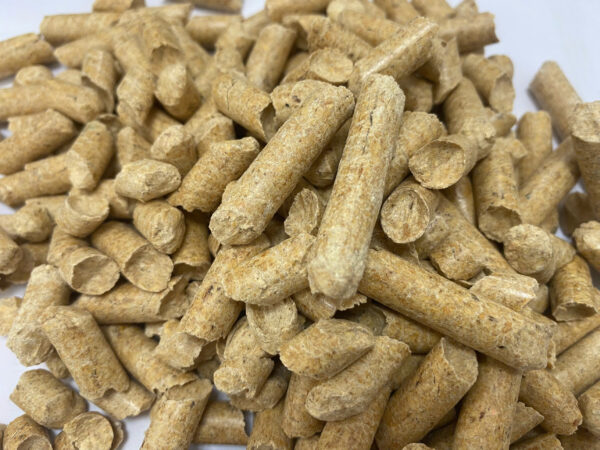
Pine wood pellets are made from compressed sawdust, a byproduct of the lumber industry. The sawdust, usually from pine trees, is kiln-dried and then compressed into small, dense pellets. These pellets have traditionally been used as a source of fuel, but due to their excellent absorbency and odor control, they have also gained popularity as pet bedding.
Because pine wood pellets are made from waste materials that would otherwise be discarded, their production has a minimal environmental impact. By using these byproducts, the forestry industry helps reduce waste while offering a sustainable, biodegradable product for pet owners.
2. Sustainability and Environmental Benefits of Pine Wood Pellets
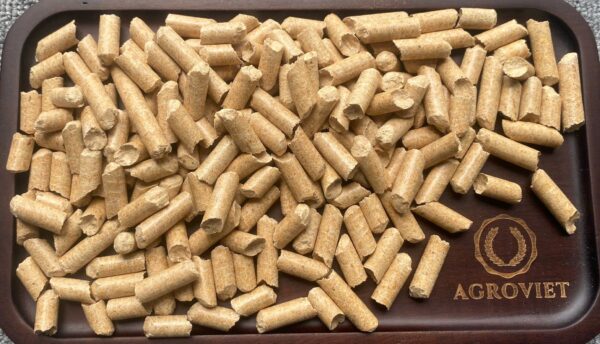
Pine wood pellets stand out as an eco-friendly pet bedding option for several reasons:
a. Made from Renewable Resources
One of the main reasons pine wood pellets are a sustainable choice is that they are made from renewable resources. Pine trees are abundant and grow relatively quickly, meaning the raw material used in pellet production can be replenished without depleting natural resources. The use of sawdust, a byproduct of timber production, further enhances the sustainability of pine wood pellets since it prevents waste from entering landfills.
b. Biodegradable and Compostable
Unlike synthetic materials commonly used in pet bedding, pine wood pellets are 100% biodegradable. Once they’ve served their purpose as bedding, they can break down naturally without harming the environment. Pine wood pellets are also compostable, making them an excellent option for eco-conscious pet owners who want to minimize their carbon footprint. After use, you can add the pellets to your compost pile, where they will decompose and return nutrients to the soil.
c. Low Carbon Footprint
The production process of pine wood pellets is energy-efficient and has a low carbon footprint compared to other pet bedding options. Since the pellets are made from waste materials, there is no need for additional logging, reducing the environmental impact. Furthermore, because pine wood pellets are lightweight and compact, they require less energy to transport, contributing to a smaller carbon footprint overall.
3. Pine Wood Pellets vs. Traditional Pet Bedding Materials
When considering sustainability, it’s important to compare pine wood pellets with more traditional pet bedding materials such as paper, straw, and clay. Let’s look at how pine wood pellets stack up against these alternatives:
a. Paper Bedding
While paper bedding is often marketed as an eco-friendly option, it is typically produced from virgin wood pulp, which involves cutting down trees specifically for bedding material. This increases the environmental impact compared to using pine wood pellets, which are made from a waste byproduct. Paper bedding is also less durable than pine wood pellets and needs to be replaced more frequently, leading to more waste over time.
b. Straw Bedding
Straw bedding is biodegradable and renewable, much like pine wood pellets, but it tends to be less absorbent. As a result, pet owners using straw bedding may need to replace it more often to maintain cleanliness and odor control. Straw also requires more storage space due to its bulkier nature, which can contribute to increased transportation emissions compared to the compact, lightweight pine wood pellets.
c. Clay-Based Bedding
Clay-based bedding materials, such as clumping cat litter, are not eco-friendly options. The process of extracting clay involves destructive strip mining, which severely impacts ecosystems and landscapes. Moreover, clay-based litter is not biodegradable, leading to large amounts of non-decomposing waste that ends up in landfills. Pine wood pellets, on the other hand, are renewable, biodegradable, and produce far less waste, making them a superior alternative for environmentally conscious pet owners.
4. Benefits of Pine Wood Pellets for Pets
Aside from being a sustainable choice, pine wood pellets also offer various benefits that improve the comfort and well-being of your pets. Here are some key advantages:
a. Superior Absorbency
Pine wood pellets are incredibly absorbent, making them ideal for pet bedding. When exposed to moisture, the pellets break down into sawdust, which traps liquid and helps keep the surface dry. This absorbency helps control moisture, preventing the bedding from becoming soggy and uncomfortable for your pet.
For pets that urinate frequently, such as rabbits or guinea pigs, pine wood pellets provide a long-lasting bedding solution that reduces the frequency of changes, saving you time and effort while also cutting down on waste.
b. Natural Odor Control
The natural scent of pine wood is a significant advantage when it comes to controlling odors. The natural oils in pine wood pellets neutralize odors from urine and feces, keeping your pet’s living space fresh without the need for artificial fragrances. This makes them an excellent choice for indoor pets or in homes where odor control is a concern.
Moreover, the ability of pine wood pellets to break down into sawdust helps disperse and absorb odors more effectively, unlike many traditional bedding materials that merely cover up smells.
c. Low Dust and Hypoallergenic
Some pet bedding materials, particularly clay-based litters, can produce a lot of dust, which can irritate the respiratory systems of both pets and owners. Pine wood pellets are virtually dust-free, making them a healthier option for pets with allergies or respiratory sensitivities. This low-dust feature also helps keep your home cleaner and reduces the risk of allergic reactions in people.
5. How to Use Pine Wood Pellets as Pet Bedding
Switching to pine wood pellets as pet bedding is easy and offers long-term sustainability benefits. Here’s how to incorporate them into your pet’s living environment:
a. Bedding for Small Animals
For small pets like rabbits, guinea pigs, hamsters, or chinchillas, spread a layer of pine wood pellets across the bottom of their enclosure. The pellets will absorb urine and break down into sawdust, providing a comfortable surface for your pet to rest on. You can replace the bedding as needed, typically once a week, depending on the size of the enclosure and the number of pets.
b. Litter for Cats
Many cat owners have started using pine wood pellets as an alternative to traditional clay-based cat litters. Simply fill your cat’s litter box with a layer of pellets, and as your cat uses the box, the pellets will absorb the moisture and break down. Scoop out solid waste daily and stir the pellets to redistribute moisture. Replace the litter entirely once most of the pellets have disintegrated into sawdust.
c. Composting Used Pine Wood Pellets
One of the biggest advantages of using pine wood pellets is their compostability. After use, the soiled pellets can be added to your compost pile, where they will decompose naturally over time. Ensure that any pet waste is properly composted according to local guidelines to avoid contamination, especially if you plan to use the compost for gardening.
6. Conclusion: Why Pine Wood Pellets Are the Sustainable Choice
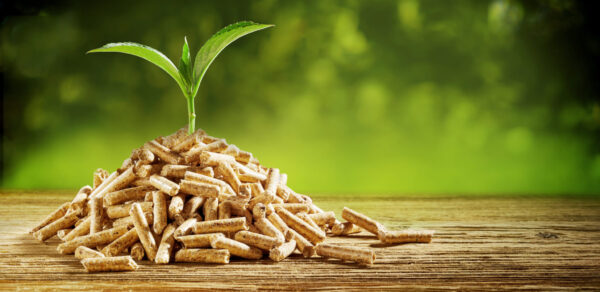
When it comes to eco-friendly pet bedding, pine wood pellets are the clear sustainable choice. Their renewable origin, biodegradability, and low environmental impact make them a responsible option for environmentally conscious pet owners. In addition to their sustainability, pine wood pellets offer superior absorbency, natural odor control, and low dust production, ensuring both you and your pets benefit from a cleaner, healthier living environment.
By choosing pine wood pellets for your pet’s bedding, you’re making a positive impact on the environment while providing your pets with comfort and cleanliness. Whether you have small animals, cats, or other pets, pine wood pellets offer a sustainable, efficient, and eco-friendly solution for bedding and litter.
