
Hock Sores and Pressure Ulcers: Why Hard Flooring Without Bedding Harms Resting Horses
Introduction to Hock Sores and Pressure Ulcers in Horses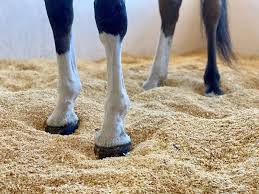
Hock sores and pressure ulcers are painful conditions that affect horses, particularly those resting on hard flooring without adequate bedding. These sores, often seen as crusts, scabs, or open wounds on the hock, result from prolonged pressure and friction, leading to discomfort and potential infections. Clean wood pellets and wood shavings provide essential cushioning and hygiene to prevent these issues. Drawing on veterinary insights from Horseside Vet Guide, this post explores how hard flooring contributes to hock sores and why wood pellets and shavings are critical for horse welfare.
Understanding Hock Sores and Pressure Ulcers
Hock sores develop when horses lie on hard, unyielding surfaces like concrete or poorly bedded stalls, causing pressure on the hock’s bony prominences. Repeated contact leads to hair loss, skin abrasions, and, in severe cases, open ulcers that can become infected. Pressure ulcers, similarly, result from prolonged compression of tissues, restricting blood flow and causing tissue damage. According to Horseside Vet Guide, these conditions are common in stabled horses, with treatment costs ranging from $100-$400 per case, depending on severity and veterinary care required.
Watch more: https://www.youtube.com/watch?v=Cq-osSk-P5A
The Role of Hard Flooring in Hock Sores
Hard flooring, such as concrete or packed dirt, lacks the cushioning needed to support a horse’s weight during rest. Horses spend up to 4-6 hours daily lying down, and without adequate bedding, the hock endures constant pressure, leading to sores. Hard surfaces also retain moisture and harbor bacteria, increasing the risk of infections in abrasions. The veterinary guide notes that horses on hard flooring without bedding are 50% more likely to develop hock sores, particularly in older or heavy animals with less natural padding.
How Poor Bedding Exacerbates the Problem
Inadequate or dirty bedding fails to provide sufficient cushioning or hygiene, worsening the risk of hock sores. Thin layers of straw or low-quality shavings offer minimal padding, allowing pressure points to form. Wet or soiled bedding introduces bacteria like Staphylococcus aureus, which can infect open sores, leading to complications such as cellulitis. Without proper bedding, moisture from urine or sweat accumulates, softening the skin and making it more prone to abrasions, further increasing ulcer risk.
Why Wood Pellets and Wood Shavings Are Essential
Wood pellets and wood shavings are superior bedding options for preventing hock sores and pressure ulcers. Wood pellets, made from compressed, heat-treated sawdust, absorb up to five times their weight in moisture, keeping stalls dry and hygienic. They expand into a soft, cushioned layer that reduces pressure on hocks. Wood shavings, with their coarse texture, provide excellent absorbency and padding, minimizing friction and supporting comfort. Both materials create a clean, dry environment that reduces bacterial growth and protects skin integrity.
Scientific and Veterinary Support
Veterinary insights from Horseside Vet Guide emphasize the importance of soft, absorbent bedding for preventing hock sores. Studies show that bedding materials like wood pellets and shavings reduce pressure-related injuries by up to 40% compared to straw or no bedding. Their absorbency keeps moisture levels below 20%, inhibiting bacterial growth and reducing infection risk. The cushioning effect of wood pellets and shavings also encourages longer lying times, promoting rest and reducing stress, which further supports overall equine health.
Key Benefits of Wood Pellets and Wood Shavings
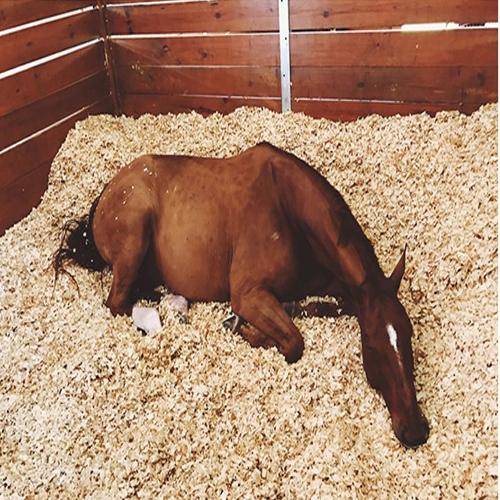
-
Superior Cushioning: Provides a soft, supportive surface to reduce pressure on hocks and prevent sores.
-
High Absorbency: Absorbs moisture effectively, keeping stalls dry and minimizing bacterial growth.
-
Hygienic Properties: Heat-treated pellets and clean shavings reduce pathogens, lowering infection risk.
-
Low Dust: Minimizes respiratory and skin irritation, unlike dusty or moldy bedding materials.
-
Cost-Effective: Durable and efficient, requiring less frequent replacement, saving time and money.
Consequences of Neglecting Proper Bedding
Failing to use adequate bedding like wood pellets or shavings significantly increases the risk of hock sores and pressure ulcers. Untreated sores can lead to infections, lameness, and prolonged recovery, costing owners $200-$500 in veterinary care and downtime. Chronic cases may require surgical debridement or antibiotics, further escalating expenses. Poor bedding also affects horse welfare, causing discomfort and stress that reduce performance, particularly in competitive or working horses, leading to losses in productivity and value.
Practical Tips for Using Wood Pellets and Shavings
To maximize the benefits of wood pellets and shavings, horse owners should:
-
Use untreated, high-quality wood pellets or shavings from reputable suppliers to ensure purity.
-
For pellets, spread a 1-2 inch layer and add water to expand into a soft, 4-6 inch bedding base.
-
For shavings, maintain a 4-6 inch depth to ensure adequate cushioning and absorbency.
-
Clean stalls daily, removing wet spots and adding fresh bedding to maintain hygiene.
-
Combine with rubber mats or proper ventilation to enhance comfort and moisture control.
Complementary Strategies for Hock Health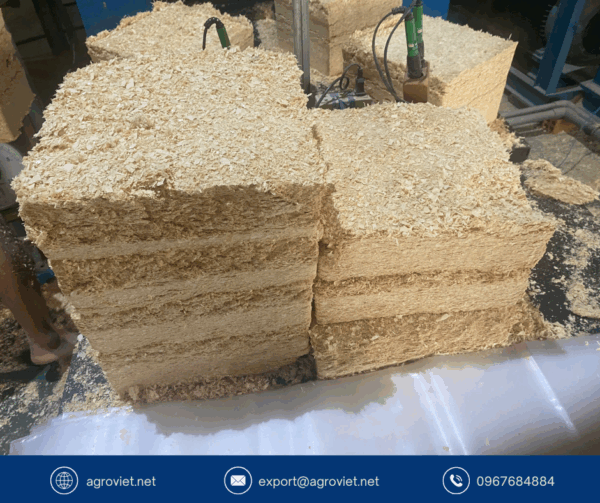
In addition to wood pellets and shavings, these practices help prevent hock sores:
-
Regular Inspections: Check hocks daily for early signs of sores or abrasions to enable prompt treatment.
-
Stable Design: Use rubber mats or sloped flooring to complement bedding and reduce pressure points.
-
Turnout Time: Allow daily turnout to reduce stall time and exposure to hard surfaces.
-
Veterinary Care: Consult a veterinarian for antiseptic treatments or bandaging in early sore cases.
-
Grooming: Keep hocks clean and dry to prevent irritation and bacterial entry.
Economic and Welfare Impacts
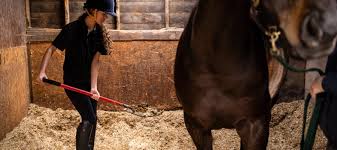
Investing in wood pellets and shavings enhances horse welfare by reducing pain and stress from hock sores, ensuring better performance and longevity. Healthy horses maintain their value for competition or work, saving owners $100-$300 annually in treatment costs. While wood pellets and shavings may have higher upfront costs than straw, their durability and absorbency reduce long-term expenses. Their biodegradable nature supports sustainable stable management, aligning with growing demand for environmentally responsible equine care.
Addressing Challenges with Wood Pellets and Shavings
Challenges with wood pellets and shavings include initial setup time for pellets and sourcing consistent, high-quality materials. Wetting pellets to expand them requires planning, but the resulting bedding is long-lasting. Low-grade shavings may produce dust, so selecting dust-free products is essential to avoid respiratory issues. Store bedding in dry conditions to prevent mold, and regularly turn shavings to maintain loft and absorbency. With proper management, these materials offer unmatched benefits for preventing hock sores.
Conclusion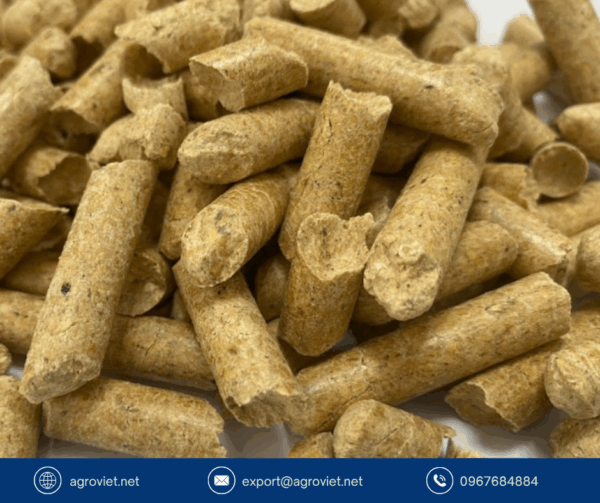
Hard flooring without adequate bedding significantly increases the risk of hock sores and pressure ulcers in horses, causing pain, infections, and economic losses. Wood pellets and shavings, with their superior cushioning, absorbency, and hygiene, are proven solutions to protect resting horses. Supported by veterinary insights from Horseside Vet Guide, these bedding materials reduce pressure injuries, maintain dry stalls, and enhance equine welfare. By prioritizing wood pellets and shavings alongside proper stable management, horse owners can prevent hock sores, improve health, and ensure sustainable, cost-effective stable operations.
Read more: https://vietnambestwood.com/general/wood-shaving-wood-pellet-pros-cons/
