
How Inadequate Bedding Causes Thrush in Horses: Moisture, Bacteria, and Preventive Solutions
Introduction to Thrush in Horses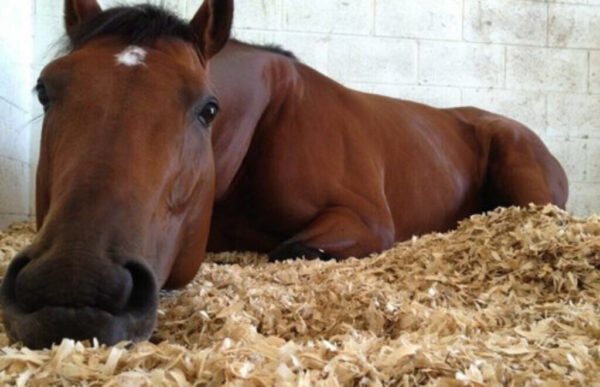
Thrush is a common hoof infection in horses caused by anaerobic bacteria, primarily Fusobacterium necrophorum, leading to painful, foul-smelling lesions in the frog of the hoof. Inadequate bedding, particularly wet or dirty materials, creates an environment where these bacteria thrive, increasing the risk of it. Clean wood shavings, with their superior moisture absorption and hygienic properties, are essential for preventing this condition. Drawing on insights from veterinary experts at The Irish Field, this post explores how poor bedding contributes to thrush and why wood shavings are a critical preventive solution.
Understanding Thrush and Its Causes
Thrush develops when anaerobic bacteria infect the frog, a soft, triangular structure on the underside of the hoof. The infection causes black, necrotic tissue and a distinctive odor, leading to discomfort and, in severe cases, lameness. Wet, muddy, or manure-laden environments are primary risk factors, as they soften the hoof and allow bacteria to penetrate. According to The Irish Field, thrush is most prevalent in horses standing in damp, unsanitary conditions, with treatment costs ranging from $50-$200 per case, depending on severity and veterinary intervention.
Watch this: https://www.youtube.com/watch?v=LQ954QvU434
The Role of Inadequate Bedding
Inadequate bedding, such as wet straw or low-quality shavings, significantly increases the risk of thrush. Wet bedding retains moisture, softening the hoof and creating an anaerobic environment ideal for Fusobacterium necrophorum. Dirty bedding, contaminated with manure or urine, harbors bacteria and fungi, further promoting infection. Horses standing in such conditions for prolonged periods are particularly vulnerable, as moisture and debris pack into the hoof’s crevices, exacerbating bacterial growth and leading to thrush development.
How Moisture Fuels Bacterial Growth
Moisture is a key driver, as it weakens the hoof’s natural barriers and fosters bacterial proliferation. Wet bedding from poor stall drainage, water spills, or insufficient absorbency creates a damp environment where anaerobic bacteria thrive. The Irish Field notes that prolonged exposure to moisture can soften the frog, making it susceptible to cracks and bacterial invasion. This is particularly problematic in stalls with poor ventilation or infrequent cleaning, where humidity levels can exceed 60%, accelerating thrush onset.
Why Wood Shavings Are Essential for Prevention
Clean wood shavings are a highly effective bedding choice for preventing thrush in horses. Their ability to absorb up to 200% of their weight in moisture keeps stalls dry, reducing the conditions that support bacterial growth. Wood shavings also provide a clean, cushioned surface that minimizes debris buildup in the hoof. Unlike straw, which retains moisture, or sawdust, which can compact, wood shavings maintain aeration and hygiene, creating an environment that discourages Fusobacterium necrophorum and other pathogens.
Scientific and Veterinary Support for Wood Shavings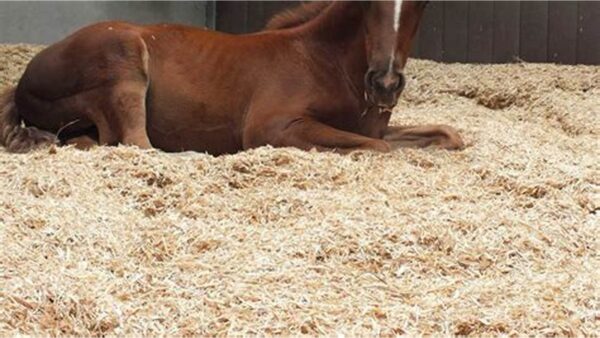
Veterinary insights from The Irish Field emphasize that maintaining a dry, clean stall is critical for prevention. Studies show that bedding with high absorbency, like wood shavings, reduces hoof moisture exposure by up to 50% compared to straw, significantly lowering thrush incidence. Their coarse texture prevents packing into hoof crevices, unlike finer materials that can exacerbate infections. Regular use of wood shavings, combined with proper stall management, can reduce thrush cases by 30-40%, supporting equine health and welfare.
Key Benefits of Wood Shavings for Horse Bedding
-
Moisture Absorption: Effectively wicks away urine and water, keeping stalls dry and inhospitable to bacteria.
-
Hygienic Environment: Reduces bacterial and fungal growth, minimizing thrush-causing pathogens.
-
Comfort and Support: Provides a cushioned surface, encouraging hoof health and reducing physical stress.
-
Cost-Effective: Durable and absorbent, requiring less frequent replacement than straw or other materials.
-
Easy Maintenance: Simplifies stall cleaning, ensuring consistent hygiene with minimal effort.
Consequences of Neglecting Proper Bedding
Failing to use absorbent, clean bedding like wood shavings increases the risk of thrush and its complications. Untreated thrush can lead to chronic lameness, requiring extensive veterinary care, including debridement and topical treatments. Severe cases may cause deeper infections, such as abscesses, costing up to $500 in treatments and recovery time. Poor bedding also affects overall horse welfare, leading to discomfort, reduced performance, and potential long-term hoof damage, particularly in working or competitive horses.
Practical Tips for Using Wood Shavings
To maximize the benefits of wood shavings, horse owners should:
-
Use untreated softwood shavings, such as pine, to avoid chemical irritation to hooves.
-
Maintain a bedding depth of 4-6 inches to ensure adequate moisture absorption and comfort.
-
Clean stalls daily, removing wet spots and adding fresh shavings to maintain dryness.
-
Ensure proper ventilation to enhance moisture control and reduce humidity in the stable.
-
Source high-quality, dust-free shavings to prevent respiratory or hoof irritation.
Complementary Strategies for Prevention
In addition to wood shavings, a comprehensive approach to thrush prevention includes:
-
Regular Hoof Cleaning: Inspect and clean hooves daily to remove debris and monitor for early signs.
-
Hoof Trimming: Schedule regular farrier visits to maintain proper hoof structure and prevent cracks.
-
Paddock Management: Ensure turnout areas are well-drained to minimize exposure to mud and standing water.
-
Veterinary Care: Consult a veterinarian at the first sign for prompt treatment, such as antiseptic washes.
-
Hygiene Practices: Disinfect grooming tools and avoid cross-contamination between horses.
Economic and Welfare Impacts
Preventing it with wood shavings enhances horse welfare and reduces financial burdens. Healthy hooves support mobility and performance, critical for competitive and working horses. Thrush-related lameness can lead to downtime, with losses of $100-$300 per incident due to reduced usability and treatment costs. Wood shavings, while an upfront investment, save money by reducing disease incidence and simplifying stall maintenance. Their compostable nature also supports sustainable stable management, aligning with environmentally conscious practices.
Addressing Challenges with Wood Shavings
While wood shavings are highly effective, challenges include sourcing consistent, high-quality supplies and managing dust from lower-grade products. Horse owners should partner with reputable suppliers to ensure clean, untreated shavings and store them in dry conditions to prevent mold. Regular stall turning prevents compaction, maintaining absorbency. With proper management, these challenges are minimal compared to the significant benefits wood shavings provide for prevention.
Conclusion
Inadequate bedding, particularly wet or dirty materials, significantly increases the risk of thrush in horses by fostering moisture and bacterial growth. Clean wood shavings, with their excellent absorbency and hygienic properties, are a proven solution to maintain dry, clean stalls and prevent infections. Supported by veterinary insights from The Irish Field, wood shavings reduce thrush incidence, enhance horse welfare, and lower treatment costs. By prioritizing wood shavings and adopting complementary hoof care practices, horse owners can protect their animals, ensuring long-term health and performance.
Read more: https://vietnambestwood.com/general/bedding-related-stress-in-livestock/
